

How Digital Marketing Influences Election Campaigns in Nepal
Explore how digital marketing shapes Nepal elections, from social media strategies to voter engagement and future campaign trends.
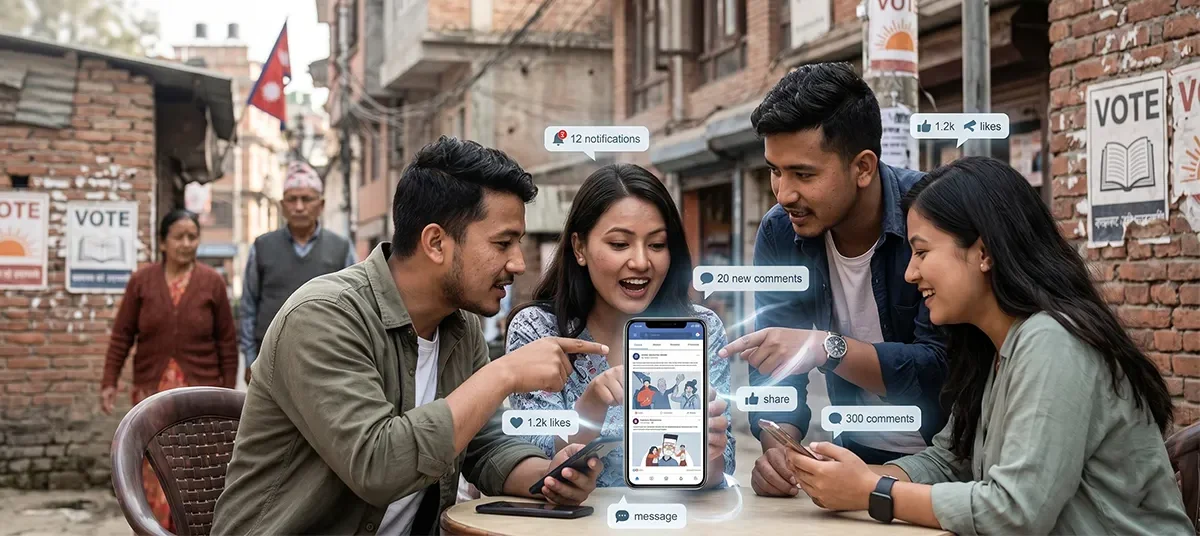
In recent years, Nepalese political parties have embraced digital channels to reach citizens, particularly young voters who spend most of their time online. Understanding the influence of digital marketing in Nepal’s elections is essential for political strategists, voters, and researchers alike. This article explores the evolution, strategies, impact, and future of digital marketing in Nepalese election campaigns.
Digital Marketing Channels Used in Nepalese Election Campaigns
Social Media Platforms
Social media is the most dominant digital channel in Nepalese elections. Facebook remains the leading platform, with millions of active users, followed by Instagram, TikTok, and YouTube. Political parties leverage these platforms to:
- Broadcast live rallies and speeches.
- Share visual content like posters, infographics, and memes.
- Engage followers through polls, Q&A sessions, and interactive posts.
Search Engine Marketing (SEM)
Campaign websites optimized for SEO help parties rank higher in Google searches. Keywords like “Nepal elections 2026 candidates” or “vote for [party]” increase visibility. Paid Google Ads are also used to target specific regions or demographics.
Messaging Apps
Viber, WhatsApp, and Telegram are increasingly used for micro-targeting voters. Parties send personalized messages, video clips, and invitations to rallies. Messaging apps also enable community engagement through discussion groups.
Content Marketing
Blogs, opinion articles, video documentaries, and social media posts create narratives around candidates. Visual storytelling is particularly powerful in capturing attention and evoking emotional responses.
Role of Social Media in Shaping Voter Perception
Social media’s algorithm-driven nature amplifies content that resonates with users, creating opportunities and challenges for political campaigns. Popular content can go viral, shaping voter perception rapidly.
In Nepal, influencers, youth leaders, and even ordinary citizens act as micro-influencers, amplifying political messages. Studies from the 2022 elections show that posts with relatable memes, short videos, or motivational stories received the highest engagement, particularly among voters aged 18–35. Social media also enables real-time engagement. Parties can analyze comments, shares, and reactions to gauge public sentiment and adjust their messaging accordingly.
Digital Advertising Strategies in Elections
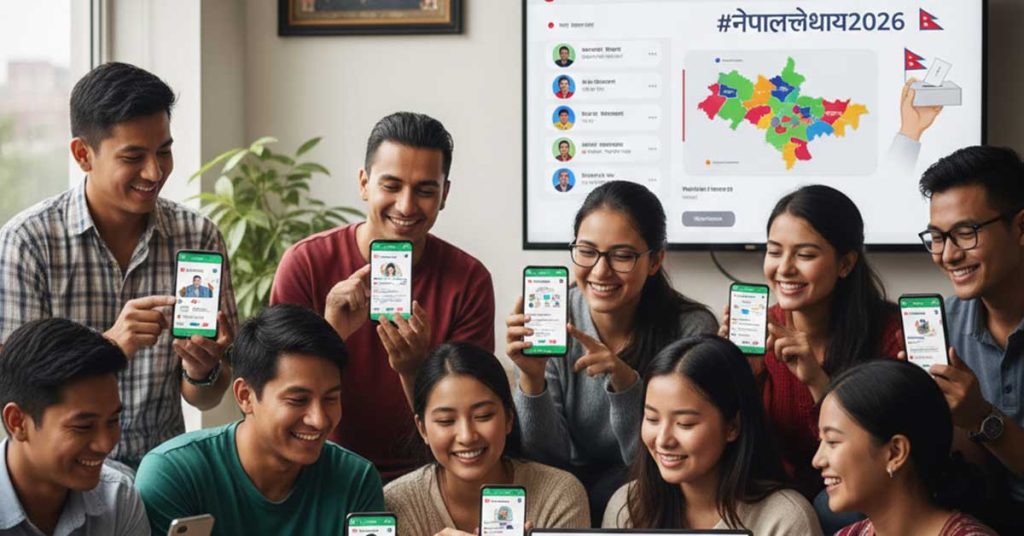
Digital ads have revolutionized targeted campaigning. Parties can now segment audiences based on location, age, language, and political inclination. Key strategies include:
- Micro-targeting: Delivering customized messages to specific voter groups.
- Retargeting: Re-engaging users who have interacted with campaign content.
- Paid vs. Organic Reach: Combining paid promotions with organic posts ensures wider visibility.
For example, during the 2022 elections, several Nepalese parties ran Facebook ad campaigns targeted at swing districts, leading to measurable increases in event attendance and social media engagement.
Impact of Digital Marketing on Voter Behavior
Digital campaigns influence voter behavior in several ways:
- Political Awareness: Young voters gain access to candidate policies, manifestos, and debates online.
- Diaspora Engagement: Nepalese living abroad can participate in political discussions and vote through postal ballots or online initiatives.
- Feedback Loop: Social media allows voters to express opinions, influencing party strategies in real time.
Case studies indicate that districts with higher digital engagement often reported increased voter turnout, suggesting a strong correlation between online activity and civic participation.
Future of Digital Campaigning in Nepal
Digital campaigning in Nepal is evolving rapidly. Emerging trends include:
- Artificial Intelligence (AI): AI tools for sentiment analysis, predictive voter behavior, and automated content creation.
- Chatbots: AI-driven chatbots on websites and messaging apps for voter engagement.
- Augmented Reality (AR) & Virtual Reality (VR): Virtual rallies, 3D candidate tours, and interactive policy demos.
- Mobile-First Campaigning: Optimizing content for smartphones, given Nepal’s high mobile penetration.
Political campaigns will increasingly rely on data-driven strategies, combining analytics, social listening, and advanced targeting to reach voters efficiently.
FAQs
Q1: How effective is social media in Nepalese elections?**** Social media is highly effective, especially for engaging young voters and diaspora communities. It influences voter perception and can drive turnout when combined with offline campaigns.
Q2: Are digital campaigns more influential than rallies?**** Digital campaigns complement rallies. While physical presence builds trust, digital campaigns provide reach, personalization, and real-time engagement.
Q3: What legal regulations exist for digital campaigning in Nepal?**** Currently, Nepal has limited regulations for online political campaigns, but authorities are considering stricter rules for transparency, data use, and misinformation control.
Final Thoughts
Digital marketing has fundamentally transformed election campaigns in Nepal. From social media virality to targeted ads, digital tools allow political parties to engage voters like never before. While challenges like misinformation and privacy concerns exist, the potential to enhance voter awareness and participation is undeniable.
As Nepal continues to embrace digitalization, political parties that effectively integrate digital strategies will gain a significant advantage in elections. Responsible, transparent, and innovative use of digital marketing will shape the future of Nepalese democracy.